
West Chicago Directory Shelves
West Chicago city directory research works best as a shelf map. No single institution holds one complete, annual run. The West Chicago Public Library District genealogy resources connect cardholders with family-history databases and guide visitors to physical material. Wheaton Public Library holds county directories, telephone books, and later address-order volumes. The Illinois Digital Archives supplies a major early county volume, while federal and state archives fill gaps with census and civil records.
| Historical source | Years documented | Collection keeper | How to consult it |
|---|---|---|---|
| DuPage County Directory | 1925–26 | Naperville Public Library / Illinois Digital Archives | Free public-domain digital object |
| County and telephone directories | 1924–25; 1951–2016, mostly including West Chicago | Wheaton Public Library | Mostly non-circulating, in person |
| Haines criss-cross directories | 1988–2021; Near West Suburban 2004–2021 | Wheaton Public Library | Reference Desk or Genealogy Center |
| West Chicago Press | 1907–2005 listing | West Chicago Public Library District | Confirm issue and microfilm access before visiting |
| Released federal census schedules | 1790–1950 | National Archives and digital partners | Public research access |
The dates are not interchangeable. A telephone book lists subscribers, while a criss-cross volume is arranged by address. The 1925–26 county directory includes both named cities and a rural section. Census schedules take a household snapshot only once each decade. Mark the title, year, printed page, and access date for every find so a later reader can retrace it.
West Chicago’s 1925 Directory
The public-domain DuPage County Directory, 1925–26 is the clearest named early directory source. McDonough & Co. created the 1,188-page volume. Its catalog record expressly includes West Chicago among 22 cities, along with a rural section and buyers-guide advertisements. That rural section matters because a household near the city may not appear under the city heading a modern reader expects.
The inspected catalog API returned title, creator, date, coverage, rights, contributor, and page count, but not stable page-level OCR. Search spelling variants manually. Photograph or note the printed page and the entry exactly as shown. Initials should stay initials. An abbreviation should not be expanded from memory. When an entry seems to match, test the street and name against a deed, a census schedule, or a dated newspaper item.
That measured approach turns a city directory match into a checkable historical claim rather than a guess based on one line of print.
Read West Chicago Directory Entries
A city directory entry can compress several facts into a short line. The surviving local object did not expose a West Chicago page sample through its public API, so the safe method is to transcribe only what the opened scan shows. Common directory structures may include the following fields, but no mark should be assumed without checking that volume’s key.
| Printed name | Exact surname, given name, middle initial, and any household continuation. |
|---|---|
| Street entry | House number, street spelling, city label, and residence or office marker as printed. |
| Household detail | A spouse name or relationship only when the line expressly states it. |
| Work detail | Occupation or role and, in some volumes, an employer or office address. |
| Telephone notation | The number or exchange shown for that publication year. |
Read the key before decoding marks. A line can refer to a workplace, a boarding place, or a residence. The directory date also matters: data may have been gathered before publication and can lag a move.
- Criss-cross directory
- A volume arranged by street and house number, often used to move from an address to a listed name.
- Householder index
- An address-order or household-order list, distinct from the main alphabetical name list.
- Abbreviation key
- The publisher’s own legend for short forms and symbols. It controls how that specific volume should be read.
West Chicago’s Changing Directory Name
West Chicago did not always appear under its current name. The settlement grew at a railroad junction and was known as Junction, Turner Junction, and Turner. It incorporated as Turner in 1873, took the West Chicago name in 1896, and reincorporated as a city in 1906. Those are productive catalog and newspaper search terms, not just background facts.
Street work has a second local trap. The concrete-street period of 1923–25 was followed by a 1930 street-renaming and new building-number system. An old city directory address may therefore fail in a modern map even when the household entry is correct. Keep the old string intact, then compare a historic plat, directory page, Sanborn sheet, and current parcel legal description. The city clerk or GIS staff may also help when no public old-to-new number crosswalk can be found.
| 1849 | The railroad reached the settlement. |
|---|---|
| 1855 and 1857 | Turner and McConnell plats preserve early settlement geography. |
| 1896 | Turner became West Chicago. |
| 1930 | Street names and building numbers changed. |
West Chicago Library History Tools
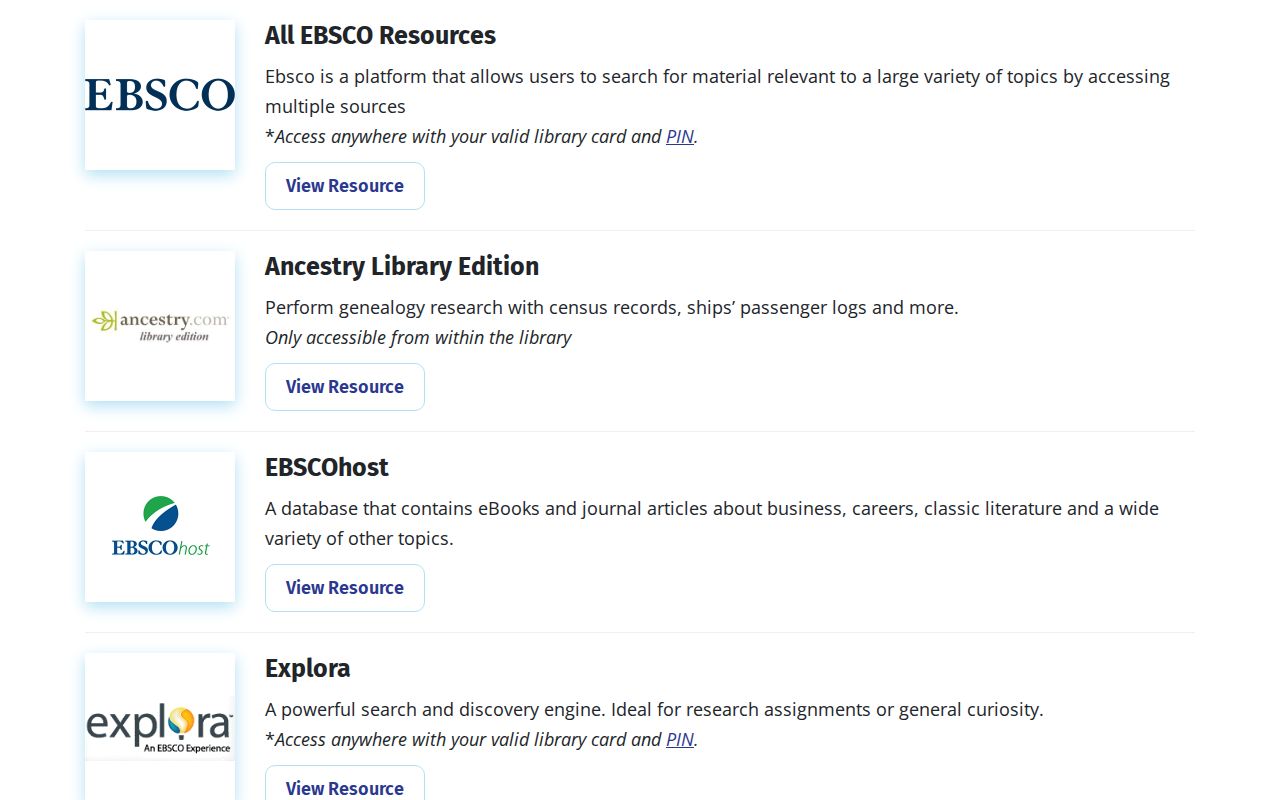
The West Chicago Public Library District, at 118 W Washington Street, is the local starting point for catalog help and database access. Its genealogy and local-history page lists HeritageQuest, HeritageHub, and Ancestry Library Edition. Access differs. HeritageQuest and HeritageHub use library credentials under the current notices, while Ancestry Library Edition is for in-library use. The catalog itself has a keyword field and can point to print, digital, periodical, and non-circulating material.
The image below shows the library’s research-resource route. It helps distinguish a database that can be used from home from one that calls for a library visit.
Call 630-231-1552 before travel when a specific volume or microfilm run is essential. A catalog record proves that an item is described, not that it is on an open shelf that day.
West Chicago School Directory Clues
School publications can bridge gaps between formal city directories. The West Chicago Community High School yearbook collection provides public PDF links for 1921, 1923–1932, and 1946–2023. The missing 1922 volume is a documented gap. A yearbook can support a name, class year, club, team, photograph, or school connection, but it does not by itself prove a home address.
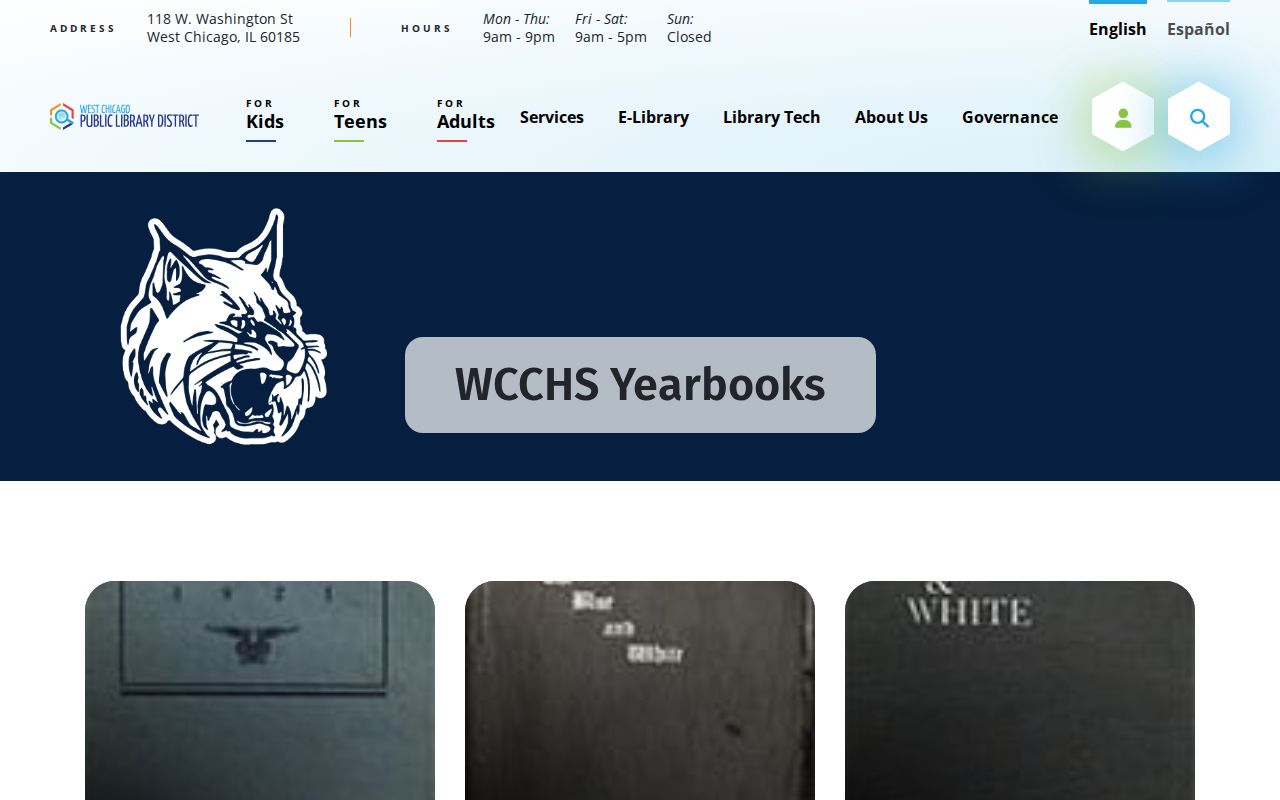
The year links make a date-first search practical. Check name variants, captions, and class lists, then confirm the person in another source.
The library’s student newspaper collection covers material from the 1920s, 1930s, 1970s, 1990s, 2000s, and 2010s, plus a current publication route. It is not a continuous run.
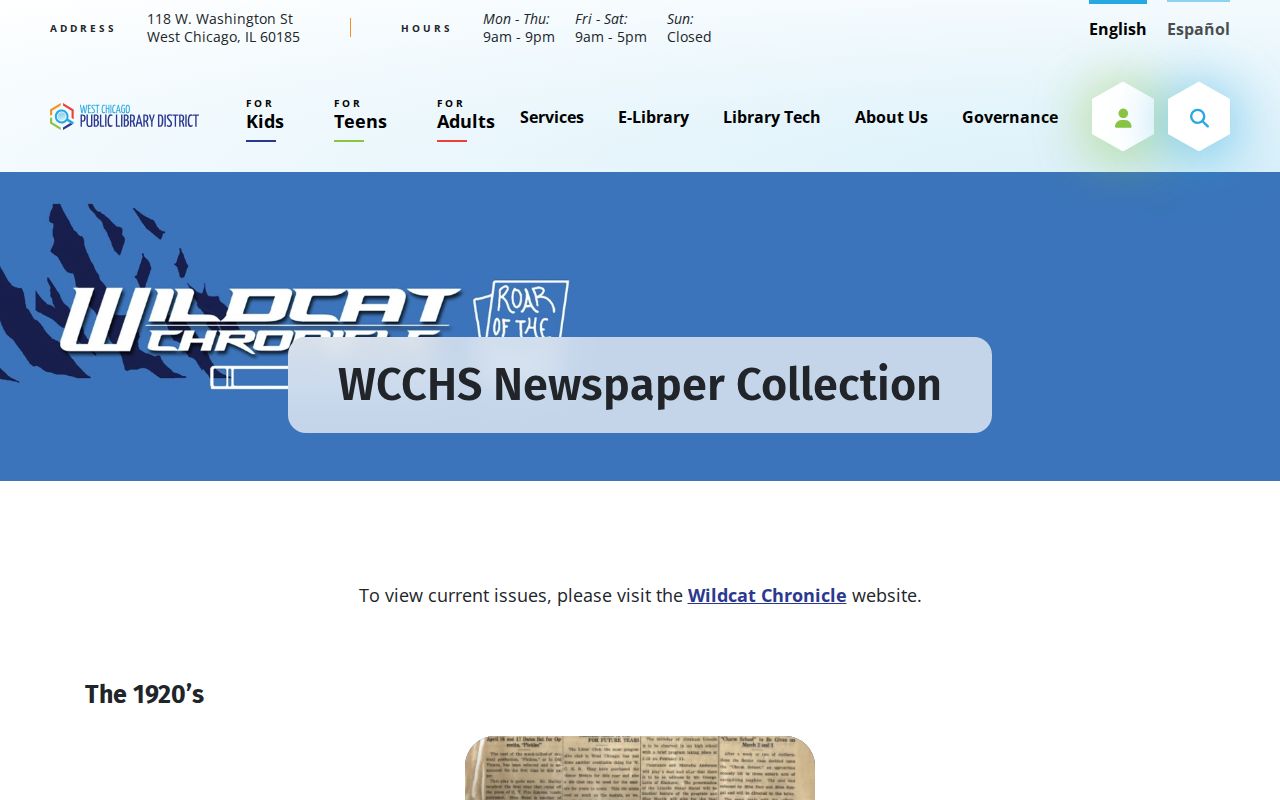
Newspapers add dates and context to school names, yet they should still be paired with a directory, census, or family record.
West Chicago Museum Name Leads
The West Chicago City Museum preserves local photographs, letters, archives, and business objects. Its research and special-tour work is by appointment, and the museum has noted a temporary location at 200 Main during renovations. Confirm arrangements instead of treating public hours as guaranteed drop-in archive time.
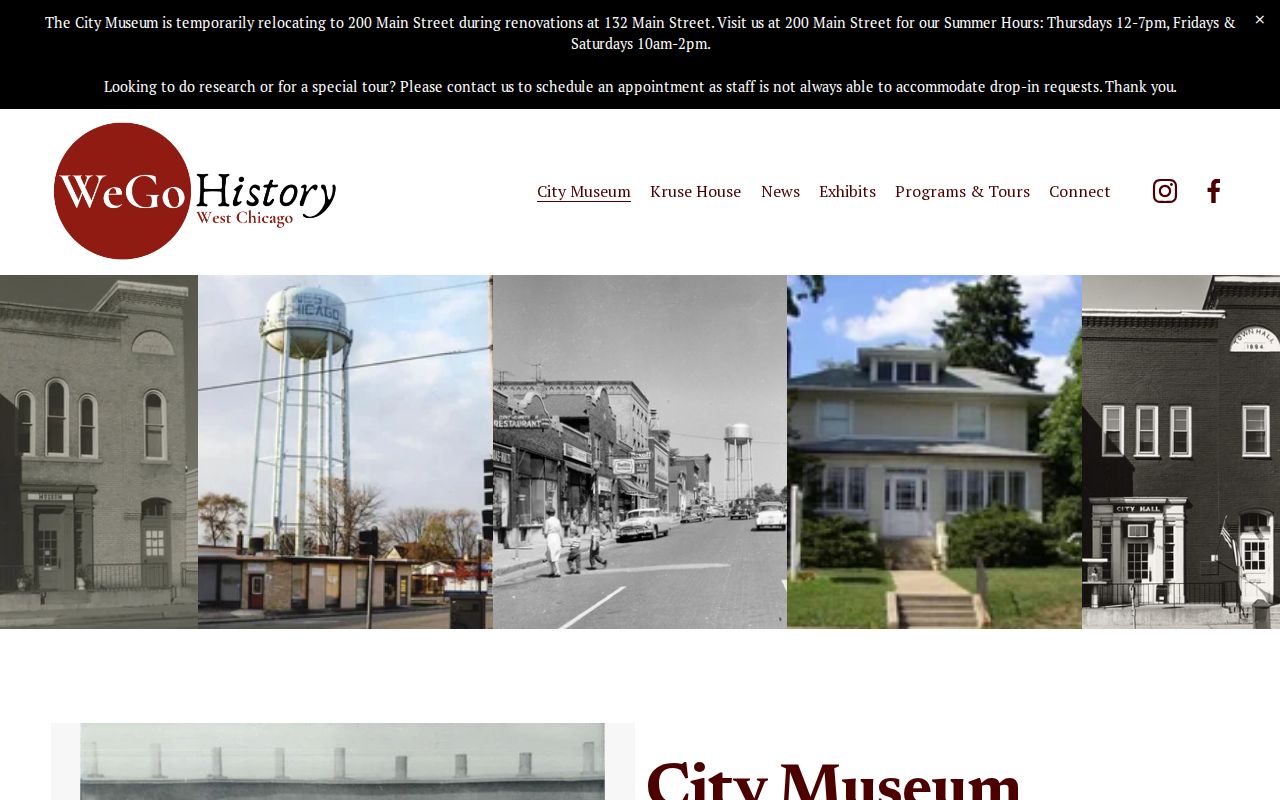
A museum caption can identify a name or business that leads back to a city directory entry. It remains a lead until another dated record confirms the relationship.
The museum’s public CatalogIt collection reported 1,666 items during research, including large photograph and business-item groups. Search controls include collections, classifications, and item text.
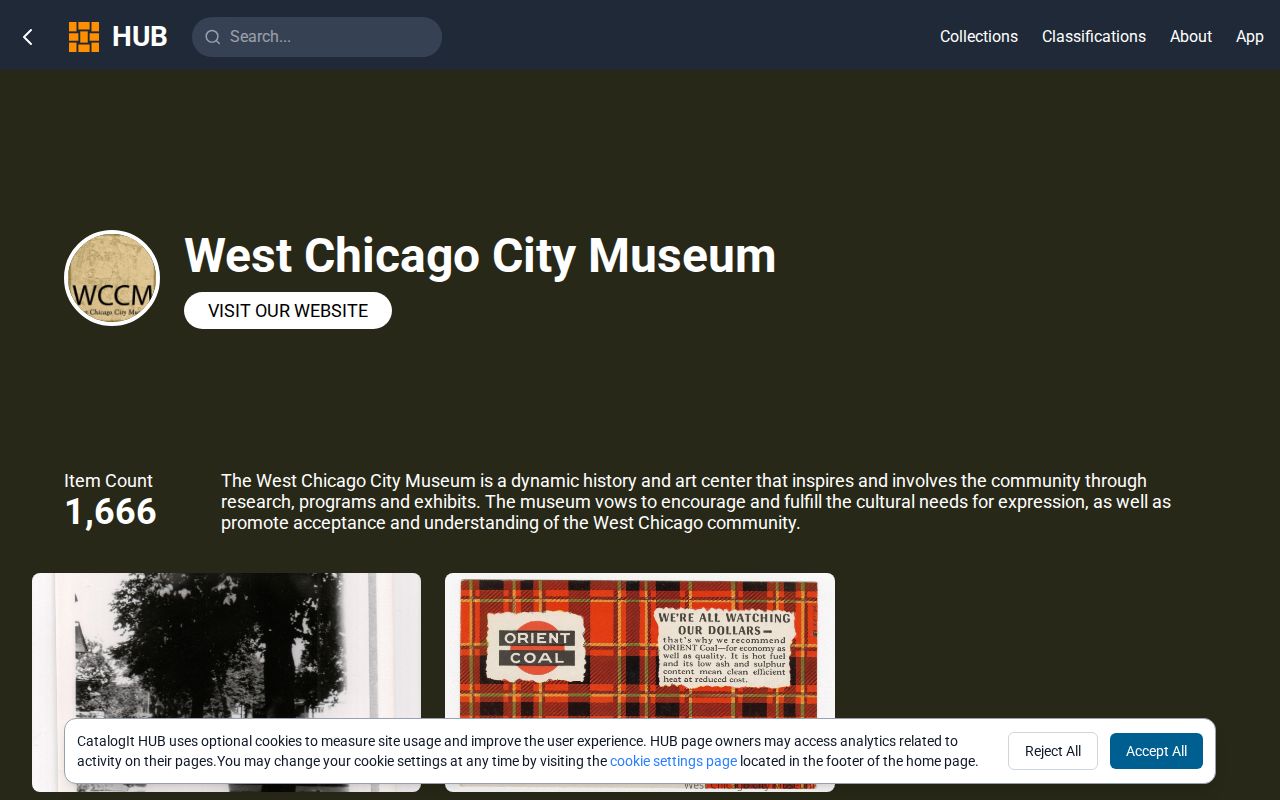
Record an item title and collection identifier before contacting staff. That small step makes a follow-up request far more precise.
Trace West Chicago Directory Households
Family-history work becomes stronger when each source answers a different question. Start with the closest known year and preserve the exact city label. Move across years in small steps, and do not treat a missing entry as proof that a person died or left West Chicago. The household may be unlisted, indexed under another spelling, placed in the rural section, or affected by street-number changes.
- Find the person in an alphabetical city directory or county volume. Note the printed page, spelling, address, phone notation, and household detail.
- Check the next available directory year. Record moves and changed abbreviations instead of merging entries.
- Use a criss-cross volume for later years to test the address from the opposite direction.
- Pair the directory with the nearest released census schedule through the National Archives census route.
- Close gaps with a dated newspaper, yearbook, cemetery entry, deed, or IRAD record.
The Illinois Regional Archives Depository lists DuPage birth records from 1877–1919, death records from 1877–1928, marriages from 1839–1932, and burial or removal permits from 1916–1926. County board minutes extend from 1839–1959, while naturalization and court series have their own narrower spans. Search the IRAD DuPage holdings by record series, then follow the repository’s request and copy rules. An index hit is a route to the source, not a full record.
The city cemetery offers another local check. West Chicago’s public map covers Glen Oak and Oakwood, but the two sets differ. Glen Oak has more grave-level detail, while historic Oakwood data is often at lot level. A lot owner, deceased person, or interment entry describes a cemetery role, not a past home. Keep cemetery code, lot, grave, dates, and the record date together, then compare the result with an obituary or directory line.
For modern address-keyed work, use the West Chicago streets page rather than forcing a historical volume to answer a current-resident question.